For English just continue reading below
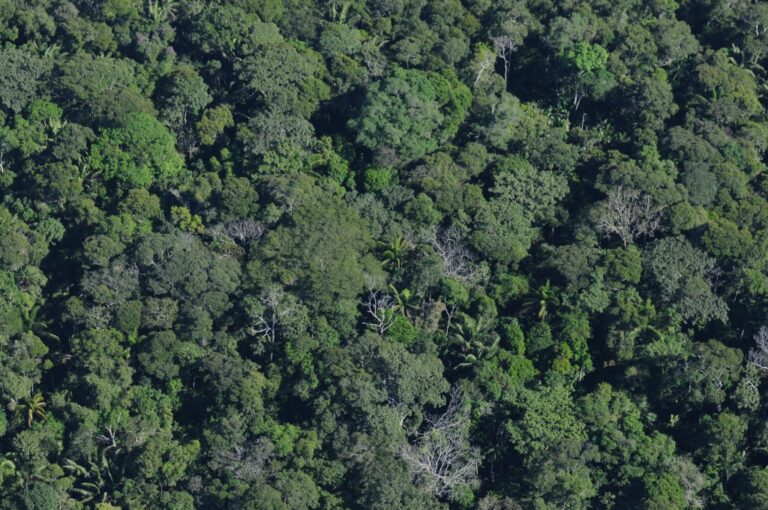
The taste of Wild Chocolate is different to all other types of chocolate, because it is produced from cocoa from the wild and original types of cacao trees in the Amazon rainforest.
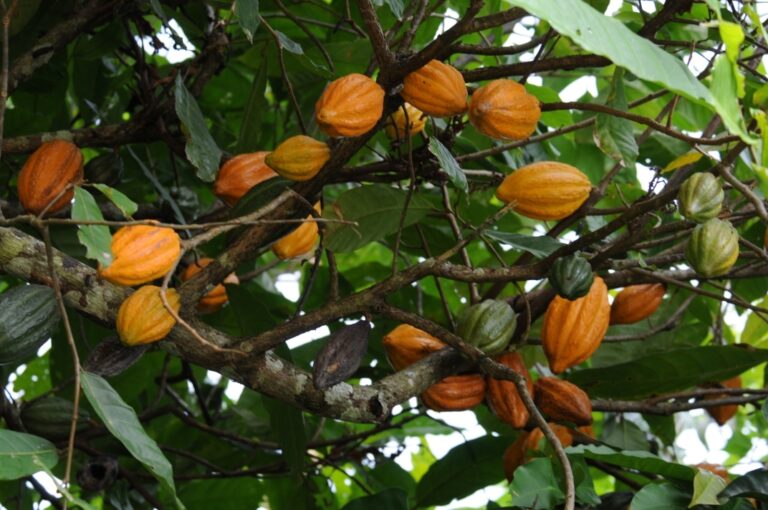
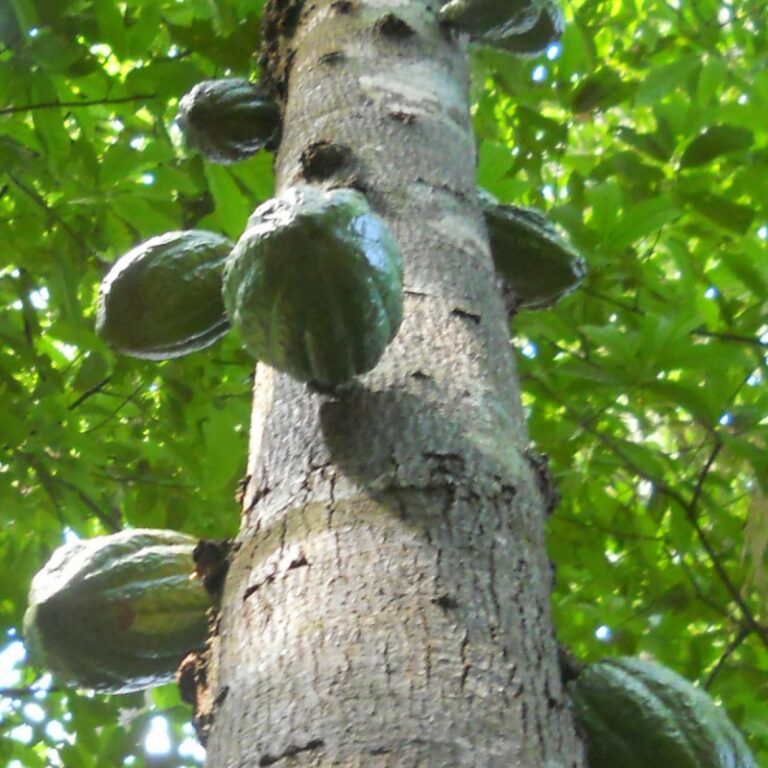
In the rainforest, the cacao fruits mature exactly as Nature has designed them to mature:
In the moist shadows of the rainforest, among the leaves and the flowers of the forest.
When Nature alone takes care of the cacao, then we can handcraft a chocolate much milder and much more tasteful than what you otherwise experience, with flavor notes of flowers and trees.
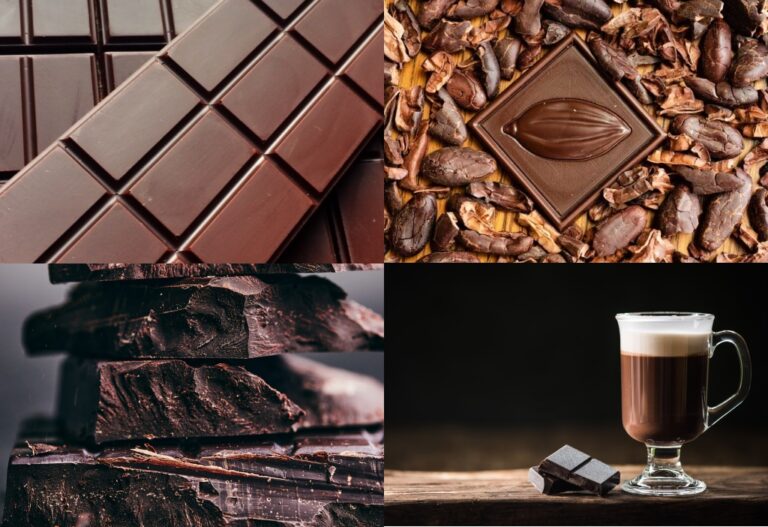
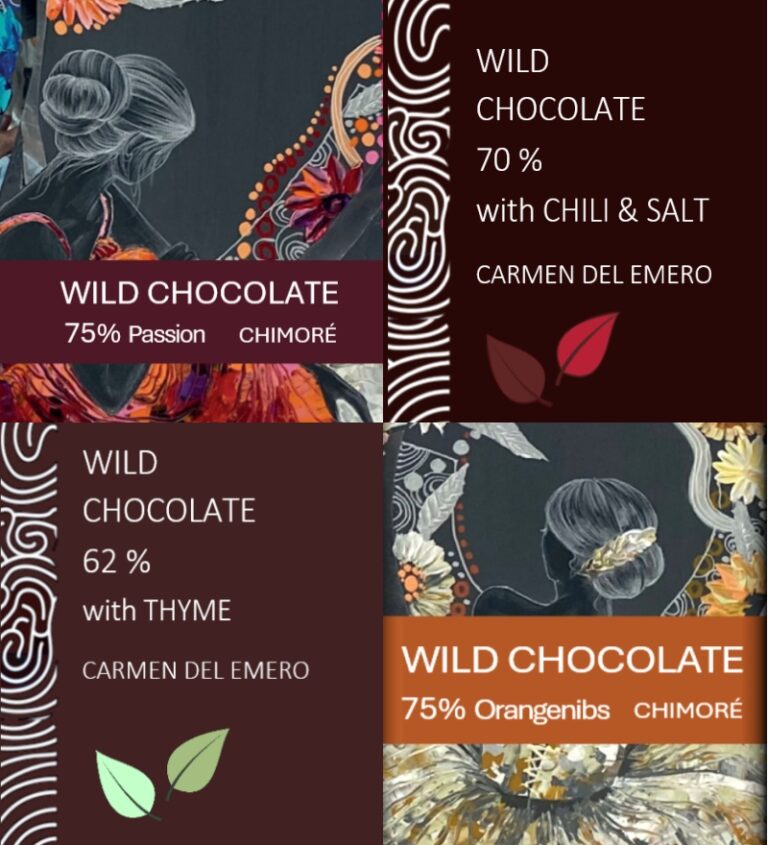
If you are a Dark Chocolate lover, then you may explore our many different chocolate bars in the range from 62 to 86% cocoa.
You will experience new dimensions of chocolate by e.g. comparing our several 70-75% bars which demonstrate that chocolate tastes very differently depending on the part of the rainforest that produced the cacao beans.
Some of us may prefer additional taste notes in our chocolates.
You might try the exotic notes of passion fruit, or the unexpected fragrances and notes of thyme – not of the leaves of thyme but of the flowers.
Or 6 different bars with other tastes.
All additional tastes – with the exception of our two chili bars – do not dominate the chocolates, and the additional tastes are very subtle.
100% Nature
There are no secrets behind the fact that Wild Chocolate in no time has become one of the world’s best chocolates with so far 6 medals from the world mastership of chocolates, ICA:
The wild cacao trees has been a natural part of the Amazon rainforest for two million years. The trees are exactly where they were designed by nature to be. They have managed their development totally on their own without the influence of people.
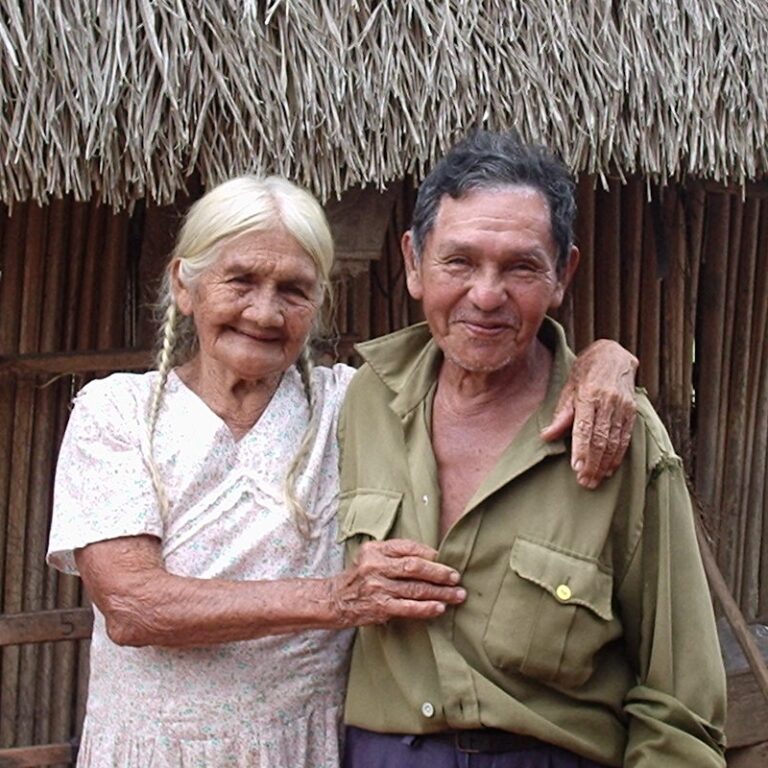
The peoples of the forest have harvested the wild cacao fruits since they first arrived to this part of the world, 15 000 years ago. Nothing changed. Nature is the boss.
The secret is no secrets but 100% nature.
… plus culture …
When Nature has produced the cacao-fruits, then the peoples of the forest carries them to their summer village. Here they remove the fruit-meat from the beans. The remaining parts of the fruit-meat is being removed in a natural process called fermentation.
Different peoples and communities in different parts of the rainforest may have different traditions for how the fermentation is performed, which will also influences the taste of the cocoa and with this the chocolate.
About the cacao trees and beans
In nature the cacao tree fgrows to a hight of 8 to 10 mtrs.
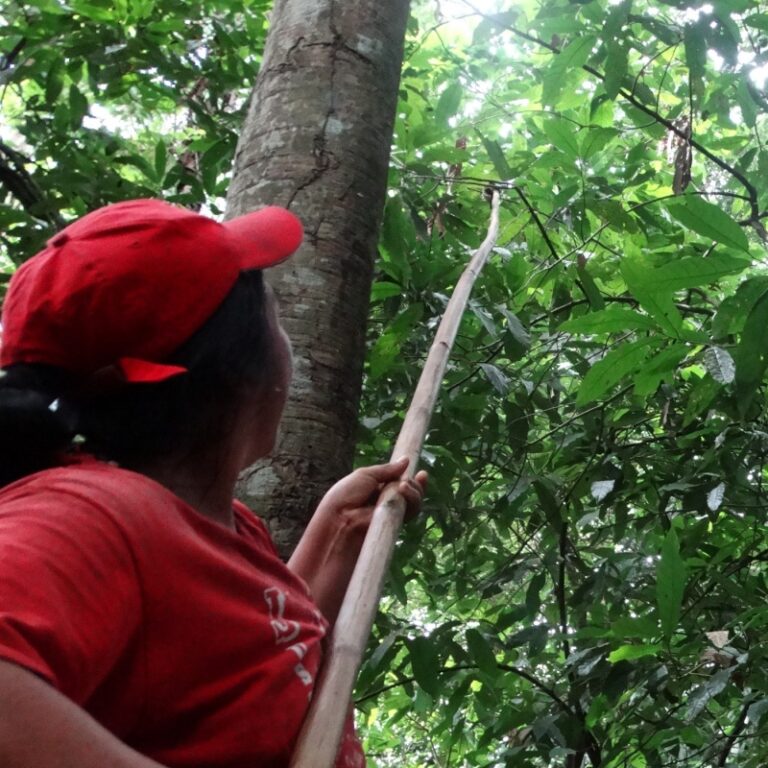
The cacao-fruits are harvested with long pools.
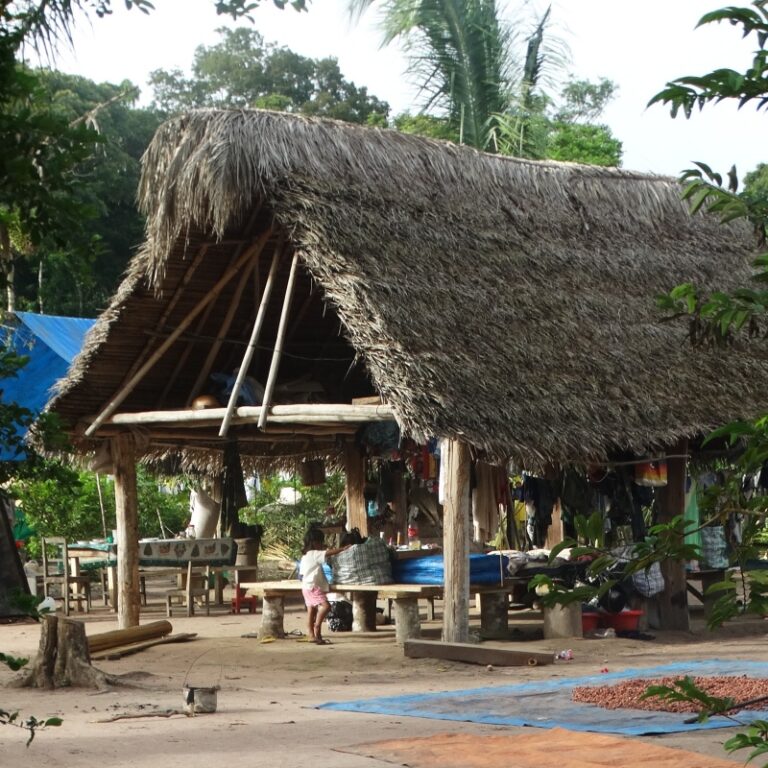
The beans are carried to the summer village.
Here they are dried on tarps or on drying tables.
After that, they are being transported to the small chocolate production in the city.
The harvest, fermentation and drying of the cacao beans gives the peoples of the forest a money income, which otherwise is very difficult for them to earn in the rainy half of the year.
They are being paid more than the world market price and more than the fairtrade price.
With this income, they can have a better life.
Sustainability
All cacao trees demands rainforest climate and rainforest soil. At some time, the plot of a plantation looked like this.
When a plantation is being created, then the rainforest must be cut, and small cacao trees be planted in order to have the cocoa produced for all other types of chocolate than Wild Chocolate.
When However, when we in stead consume Wild Chocolate, then the rainforest can continue its life unaffected, as a home to peoples and biodiversity, and as a stabilizer of the climate.
With the Wild Chocolate, the rainforest stays protected. With the income from the wild cacao, the peoples of the forest can continue their life in the forest, if they wish to.
We hope, over time, to develop long-term relations to as many of the communities as possible, so that we can contribute to solar panels for electricity and to internet connections. This is needed to ensure also the next generation a possibility for staying in the forest if they wish to.
CO2 Emission
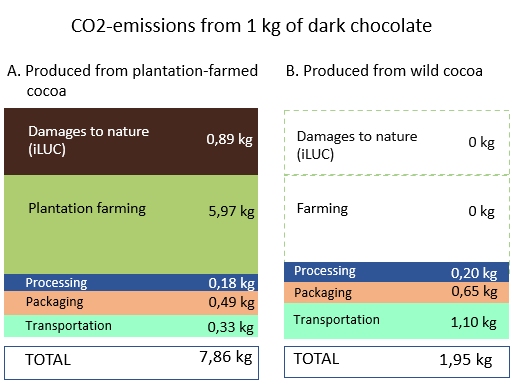
The chocolate that we normally consume – which is based on plantation-farmed cocoa – causes a CO2 emission of 7,86 kg CO2 per kg of chocolate, which is quite high for a plant-based food product.
Wild Chocolate reduces the CO2 emission with 75%. Not because we are particularly smart, but because it is Nature doing the farming part of the production of the chocolate.
There are then no damages to nature, no farming, no pesticides or fertilizers neither conventional nor organic, and no irrigation.
Mer kunskap
Here is the English translation:
Does cacao originate from South America?
Yes, but in the 1600s it was brought from South America to Africa by Europeans, because in Africa there was better access to enslaved people for work on the plantations.
Today, Côte d’Ivoire is the world’s largest producer of cocoa beans, and 75% of the country’s original rainforest has been converted into plantations.
Is there a lot of wild cacao?
Wild cacao is found in the Amazon rainforest in South America. The total amount of cacao trees and cacao-growing areas has not yet been mapped.
Exports could be multiplied, and there is plenty of cacao for our consumption in Northern Europe.
Which peoples harvest the cacao?
The right to use forests and natural areas belongs in Bolivia to the indigenous peoples. In Bolivia’s Amazonian regions there are about 25 different language-and cultural groups.
Why do you offer only Wild Chocolate from Bolivia and not from Brazil?
We want to be certain that all conditions regarding collection and production are reliable and do not harm people or nature. This we can ensure in Bolivia, which we know in detail, and where we have staff on site. In addition, there are social and legal conditions that make us prefer to use wild cacao from Bolivia.
About the flavors of chocolate in general
There are many factors that influence the flavor of chocolate. The first is the type of cacao tree used:
For plantation-grown cacao there are three main varieties.
For wild cacao, this limited selection does not exist – in the rainforest, nature has developed hundreds of flavor variations, which can be used in the production of wild chocolate to create a wide range of distinctive tastes and some of the world’s finest chocolates.
Nature has adapted these variants to the exact places where they grow, and each location – each “cacao island” in the rainforest – therefore has its own composition of natural varieties and thus its own flavor.
Fermentation – the precise process by which the pulp is separated from the beans – also has a major impact on flavor. Each gatherer of wild cacao ferments the beans in the traditional way of his/her community, allowing the beans to rest together with the pulp in a piece of cloth, a woven basket, or a wooden box.
The length of the fermentation process can be determined by local traditions and by the climate. However, the chocolate factory also provides guidance to achieve the best possible flavor.
Then we have the sugar.
100% dark chocolate tastes very bitter and is only enjoyable to very few of us. Sugar is therefore added, and the amount and type of sugar used are also crucial to the flavor. For wild chocolate, white sugar is used in production in tropical areas, while in drier and colder regions cane sugar may be used. The sugar is produced locally.
Finally, the cocoa content is of course important. The higher the cocoa content, the more bitter the chocolate becomes. Here it is important to note that wild chocolate is milder than other chocolate: if you enjoy “regular” chocolate with a cocoa content of 65–75%, you will typically enjoy wild chocolate with a cocoa content of 75 to 85%.